How Long Does Physical Therapy Take for Most Injuries?
Most orthopedic cases at our clinic run 8-12 visits over 8-12 weeks. Where you fall in that range depends on the tissue involved, how severe the injury is, and how early care starts. A mild ankle sprain and a frozen shoulder are not on the same clock, and any therapist who quotes one timeline for everything is guessing.
At Improved Motions Physical Therapy in Stuart, FL, we would rather give you a real range up front than string you along visit to visit. Below are the typical timelines we see for the conditions we treat most often, followed by what actually speeds recovery up and what quietly drags it out.
Typical Recovery Timelines by Injury
Most soft tissue injuries resolve with physical therapy in 4 to 12 weeks, while surgical recoveries and frozen shoulder are measured in months. These are typical ranges; your evaluation gives you a specific estimate.
| Condition | Typical course of PT | What extends it |
|---|---|---|
| Ankle sprain (grade I-II) | 4-8 visits over 3-6 weeks | Grade III tears, prior sprains, chronic instability, returning to sport too soon |
| Hamstring strain | 6-10 visits over 4-8 weeks | High-grade tears near the tendon, sprint and cutting sports, re-injury from rushing |
| Rotator cuff tendinopathy | 8-14 visits over 6-12 weeks | Months of symptoms before starting care, overhead work or sport demands |
| Tennis / golfer’s elbow | 8-12 visits over 6-12 weeks | Symptoms present longer than six months, continued gripping load at work |
| Low back pain (non-surgical) | 6-12 visits over 4-10 weeks | Waiting weeks to start, fear of movement, recurrent prior episodes |
| Post-surgical ACL | 4-9+ months, tapering from 2-3x weekly | Graft type, quad strength lag, return-to-sport testing standards |
| Frozen shoulder | 3-9 months, visits taper over time | Diabetes, thyroid conditions, starting care in the later frozen stage |
Post-surgical timelines follow the protocol set with your surgeon. Our ACL recovery guide walks through those phases in detail.
One safety note on back pain: see a physician first if you have loss of bowel or bladder control, saddle numbness, fever, significant trauma, progressive weakness, or unexplained weight loss. Those red flags need medical evaluation before any therapy plan.
Why Does Tissue Type Set the Clock?
Different tissues heal at genuinely different rates, and no amount of motivation changes the biology. Muscle has a rich blood supply, so a typical strain rebuilds usable tissue in weeks. Tendon has far less blood flow and remodels slowly under gradually increasing load. That is why tendinopathies at the elbow or rotator cuff often need 8-12 weeks even when pain eases sooner. Ligament falls in between and varies by location: an ankle ligament with decent blood supply heals faster than the ACL, which effectively does not heal on its own and usually requires reconstruction before rehab even begins.
That is why we set expectations by tissue rather than by how the injury feels in week two. Pain often fades before tissue tolerates full load, and loading a half-remodeled tendon like it is finished is the most common way patients earn a second round of therapy.
What Makes Physical Therapy Go Faster?
The single biggest accelerator is starting early. Florida is a direct access state, so you can begin physical therapy without waiting weeks for a referral. Patients who start within days of an injury typically need fewer total visits than those who wait a month hoping it resolves. One administrative detail: if care for a new condition runs past 30 days, a physician or other practitioner of record reviews and signs the plan. That is routine coordination we handle for you.
The other accelerators, in our experience:
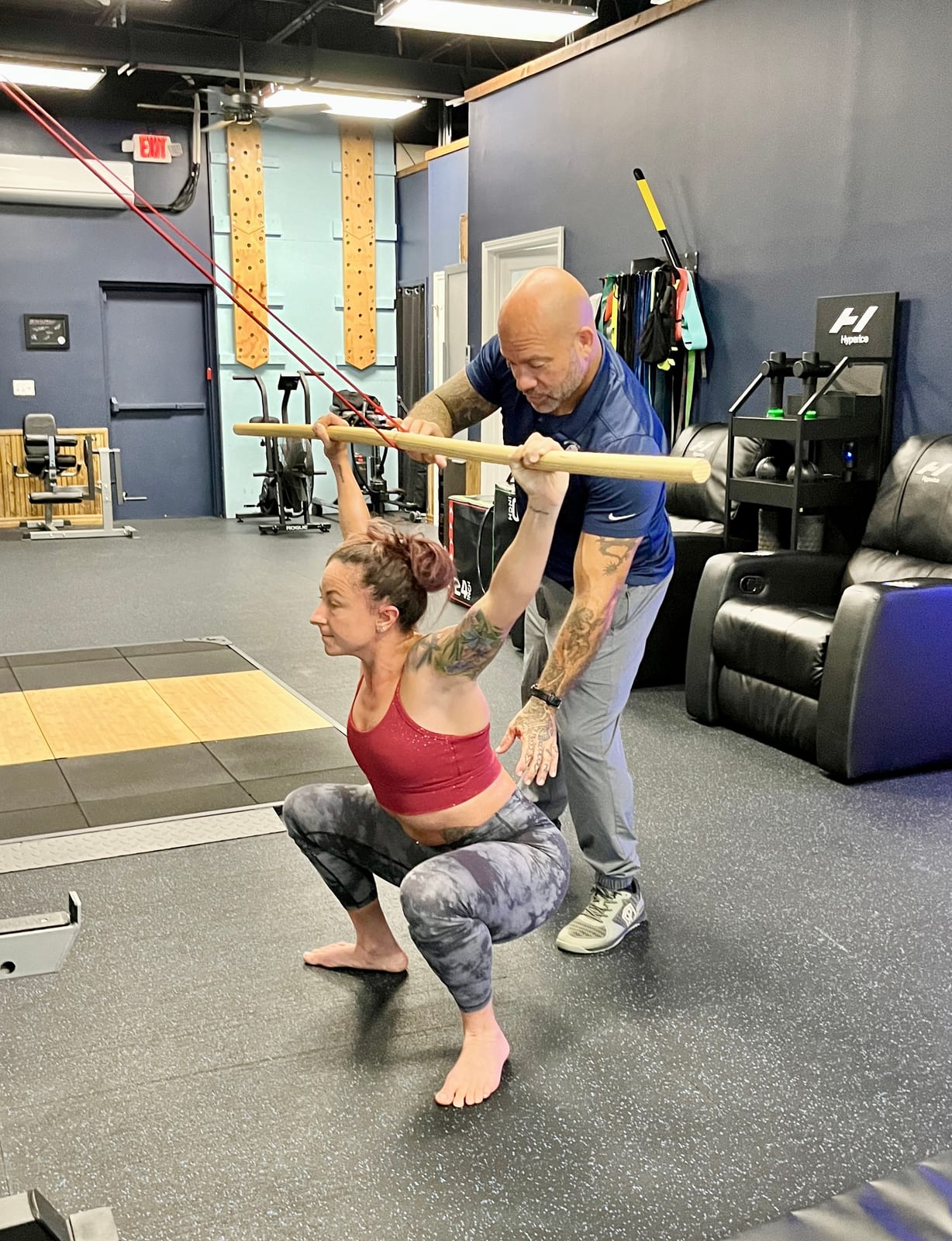
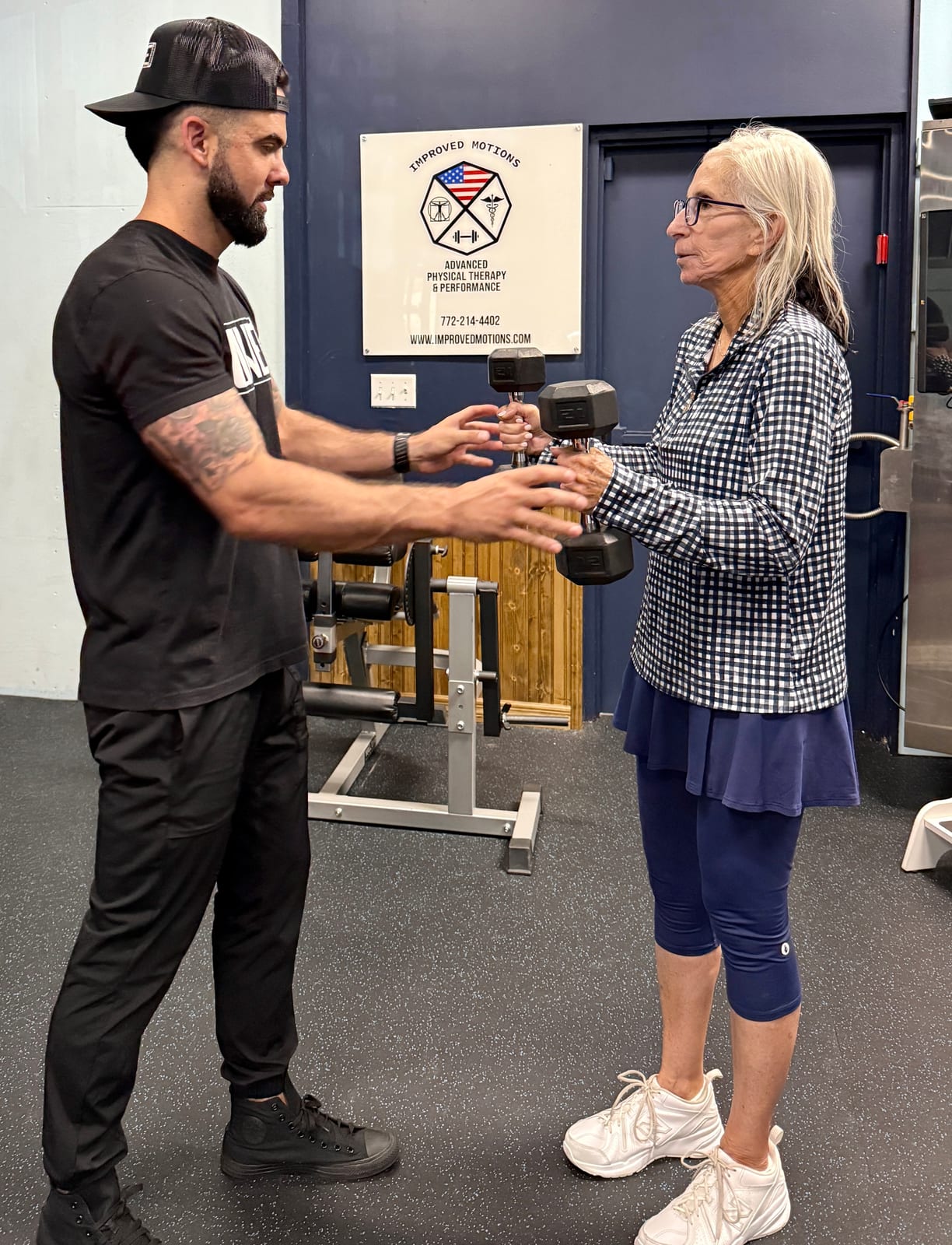
- Full 60-minute one-on-one sessions. More skilled work happens per visit than in a 30-minute shared model, which is why one-on-one care tends to require fewer visits overall.
- Consistency. Two visits per week early on beats one visit whenever the schedule allows. Tissue adapts to regular, progressive load.
- Doing the home program. Your therapist sees you one or two hours a week; the other hours belongs to you. Patients who do the homework almost always finish ahead of schedule.
- Supporting recovery between sessions. Modalities in our Recovery Room, including cryotherapy, red light, PEMF, and compression, can help manage soreness so training days stay productive. Our recovery stacking guide covers how we sequence them.
What Makes Physical Therapy Take Longer?
Delay is the most expensive mistake. A tendon irritated for six months has undergone changes that a tendon irritated for two weeks has not, and the rehab timeline stretches accordingly. Waiting also lets compensation patterns set in, like the limp or the guarded shoulder, and those patterns then need their own correction.
Stop-start attendance is the second culprit. Missing two weeks mid-plan rolls some of your progress back, because tissue detrains faster than it builds. Patients who attend sporadically often log more total visits over more months than patients who commit to a shorter, denser block.
The third is plateaued care: showing up week after week to repeat the same exercises with no measurable change. Progress should be visible in numbers, in your range, your strength, your pain with specific tasks. If it is not, the plan needs to change, or the diagnosis needs a second look. We wrote about the signs you need more than another month of the same therapy because staying in a stalled plan helps no one.
Why Does Insurance-Model PT Often Take More Total Visits?
Because the visit itself is smaller. In many insurance-based clinics, a therapist covers two or three patients per hour, so your slot may include 15-20 minutes of hands-on time and a stretch of tech-supervised exercise you could do at home. Each visit moves you a shorter distance, so you need more of them, and more copays, to cover the same ground. Our insurance versus self-pay cost breakdown runs the math side by side, and our self-pay physical therapy guide explains how the model works in Florida.
The therapists working in that system are doing skilled work under a real constraint. The difference is simple arithmetic: a 60-minute one-on-one session contains more treatment than a shared 30-minute slot, so most patients finish in fewer visits.
How We Estimate Your Timeline at Evaluation
Your first visit produces a specific estimate. We take a full history, test strength and range, and run a functional movement analysis to find the mechanical contributors, like the stiff hip feeding the back pain or the shoulder blade that never rotates. Severity, irritability, tissue type, how long the problem has existed, and your actual goal (walking the dog versus returning to tournament pickleball) all feed the number we give you.
Then we re-test as we go. If manual therapy, dry needling, or a loading change moves your numbers faster than projected, we shorten the plan. If progress stalls, we say so and adjust, and that includes referring out when your case needs something physical therapy cannot provide. We consider the estimate part of the treatment, and you are welcome to hold us to it.
Frequently Asked Questions
Can physical therapy go faster if I do more at home? Yes, within limits. A consistent home program is the strongest predictor of finishing early that patients control themselves. More is not always better, though. Tissue needs recovery time between loading sessions, so follow the dosage your therapist sets rather than doubling it.
What if I am not improving after 4 weeks? Four weeks with no measurable change is a signal, not a verdict. Expect your therapist to change the plan, reassess the diagnosis, or refer you for imaging or a physician consult. What should not happen is a fifth week of the identical routine.
Do I need physical therapy forever? No. A well-run plan of care has an end date, a discharge home program, and clear return-to-activity criteria. Some patients choose ongoing performance or recovery services afterward because they like the results, but that is entirely their choice.
How many visits does insurance cover versus what we recommend? Many insurance plans cap visits (20 to 30 per year is common), and some approve care in small batches that interrupt momentum. We recommend the number of visits your tissue and goals actually require, which for most orthopedic cases is 8-12. Because we are self-pay, that recommendation is never shaped by an authorization limit, and HSA and FSA funds typically apply when therapy treats an injury or condition.
This article is general information from the team at Improved Motions Physical Therapy, not medical advice for any specific condition. For evaluation of your situation, see a licensed provider.
What Makes Improved Motions Different
- A full hour, one-on-one, every visit. You work with a Doctor of Physical Therapy the whole time. No aides running your session and no other patients sharing your hour.
- Self-pay, so your recovery sets the plan. No insurance visit caps or authorizations. HSA and FSA cards are accepted, and you get a superbill for out-of-network reimbursement. See payment options.
- No referral needed. Florida is a direct access state, so you can book an evaluation directly.
- A Recovery Room under the same roof. Cryotherapy, hyperbaric oxygen, red light therapy, Normatec compression and PEMF, guided by the same team treating you. See the Recovery Room.
- Advanced, hands-on training. Dry needling, blood flow restriction training, manual therapy and functional movement analysis, led by founder Dr. Michael Mann, PT, DPT.
- 5-star rated by our patients on Google, right here in Stuart and serving the Treasure Coast.
Get Started at Improved Motions
Florida is a direct access state, so you can start physical therapy without a physician referral. Call (772) 214-4402 or book online to schedule your initial evaluation.
We serve patients in Stuart, Palm City, Jensen Beach, Port St. Lucie, Hobe Sound, Jupiter, Tequesta, Indiantown, and throughout the Treasure Coast.